
WESTWOOD ROOM
History and Decoration



History
This room on the first floor of the Museum was originally designed to house the collection of insect specimens given to the University by Frederick William Hope (1797-1862).
Hope gifted his extensive entomological collection to the University in 1849 but, at that point, there was nowhere suitable to house it. One of the aims of the new museum building was to provide dedicated accommodation for Hope’s specimens.
Alongside the gift of his collections, Hope provided a salary for a curator to look after his entomological specimens. John Obadiah Westwood (1805-1893) was appointed to this role as the first Hope Professor of Zoology in 1860.

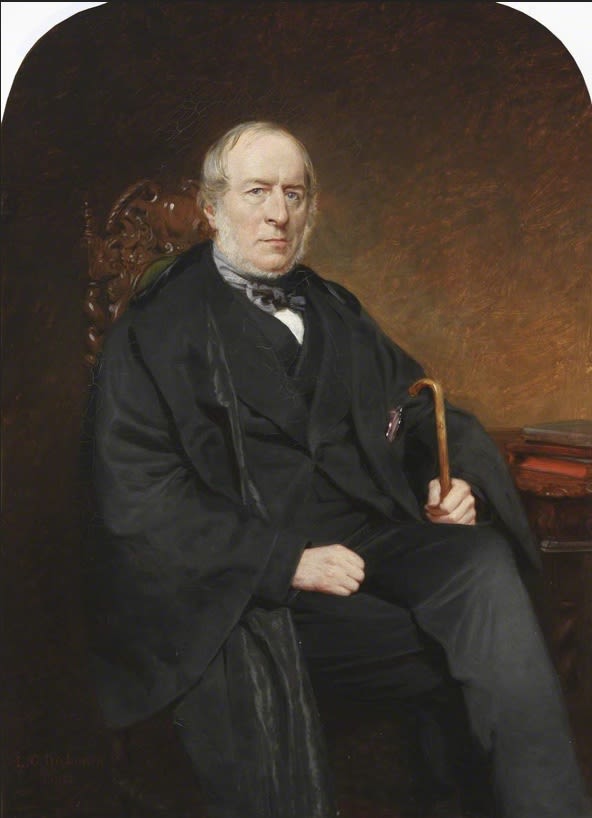
Reverend Frederick William Hope by Lowes Cato Dickinson (1819-1908), OUMNH
Reverend Frederick William Hope by Lowes Cato Dickinson (1819-1908), OUMNH

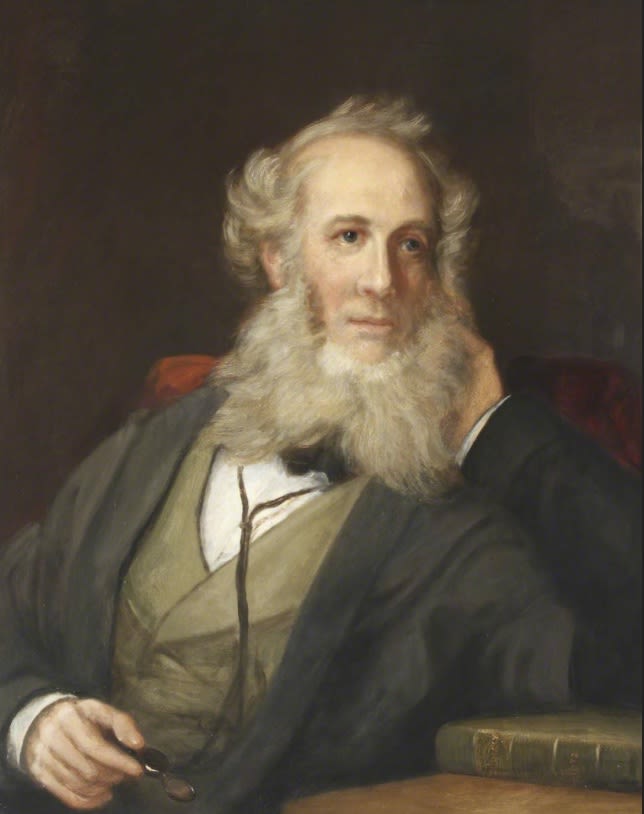
John Obadiah Westwood by William Riviere (1806-1893), OUMNH
John Obadiah Westwood by William Riviere (1806-1893), OUMNH
Two rooms were allocated to Hope's collection on the first floor of the Museum
The main room housed the insect specimens. This room is now called the Westwood Room.
And Westwood, as curator, was given use of the adjacent room.
These two rooms were the starting point for the University’s Department of Zoology, which remained in the Museum building until the mid twentieth century
Westwood Room Decoration
Wall Painting
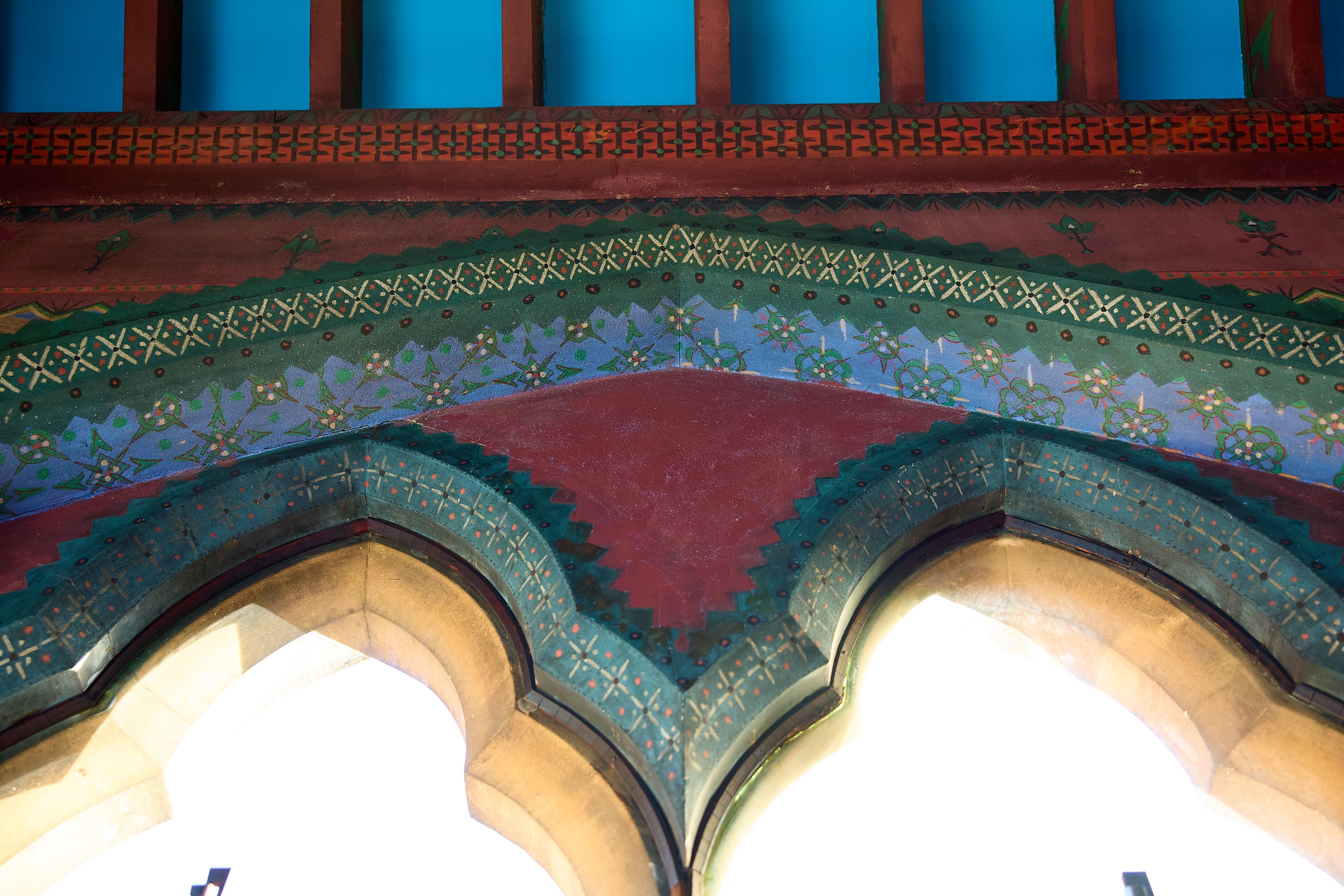
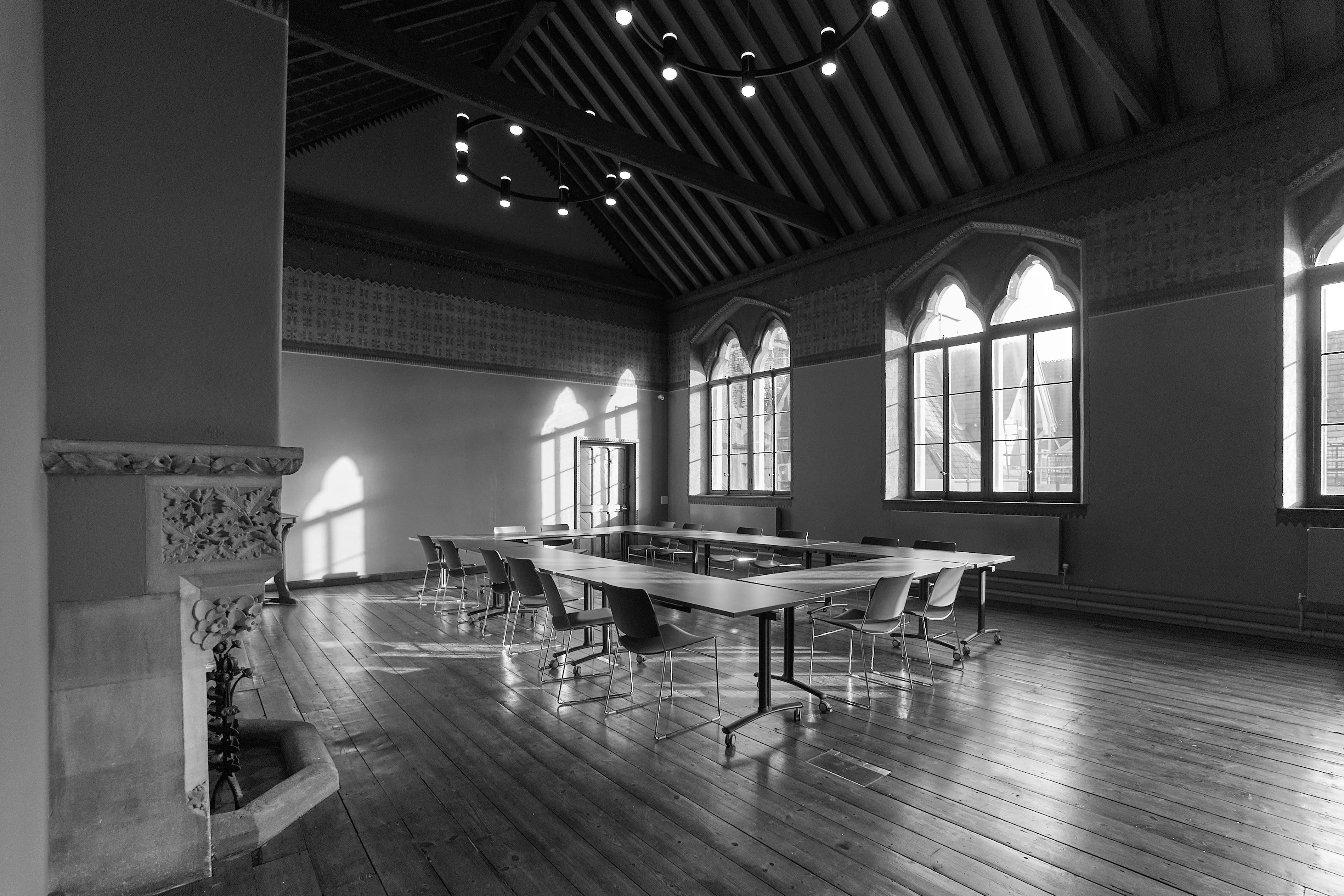
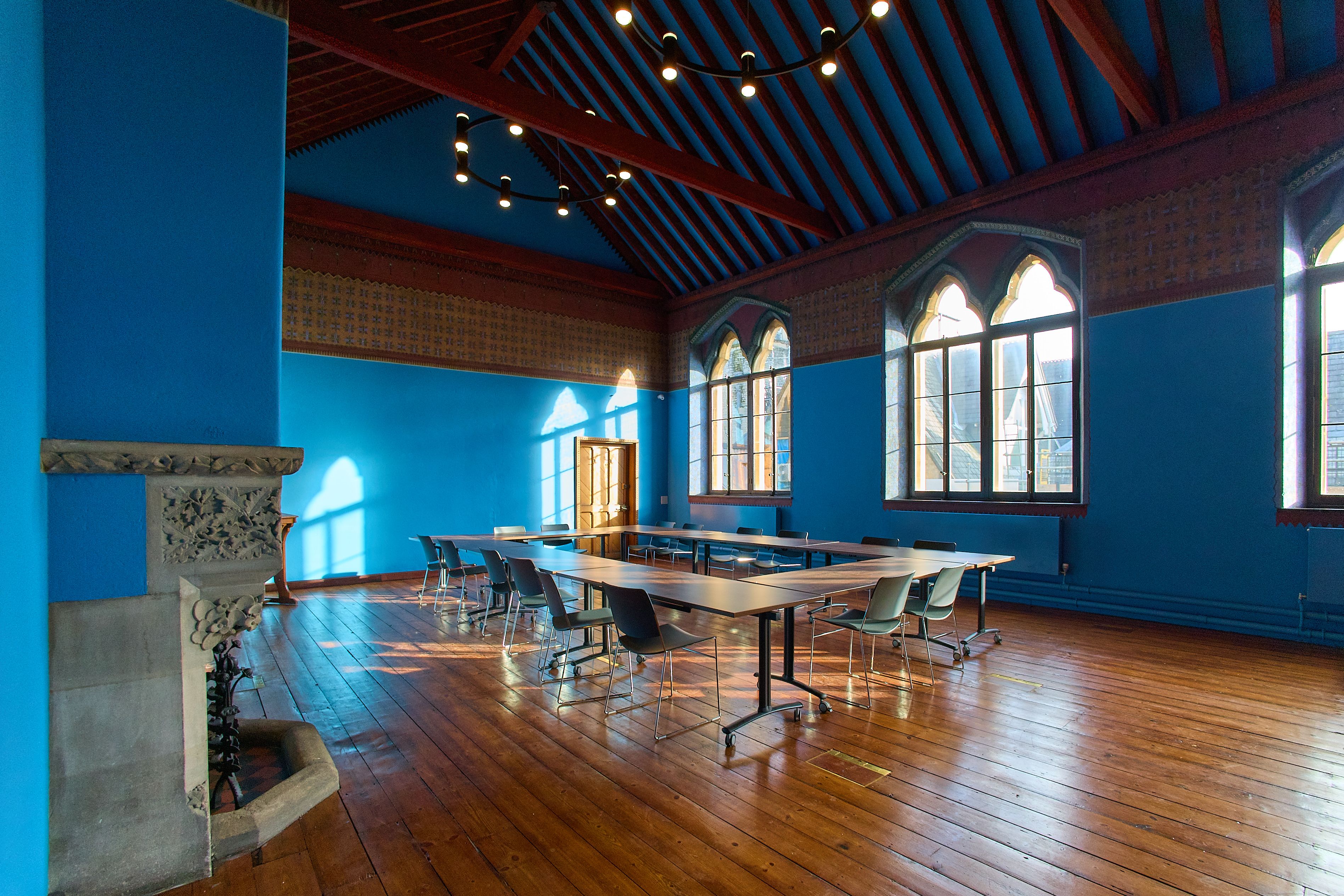
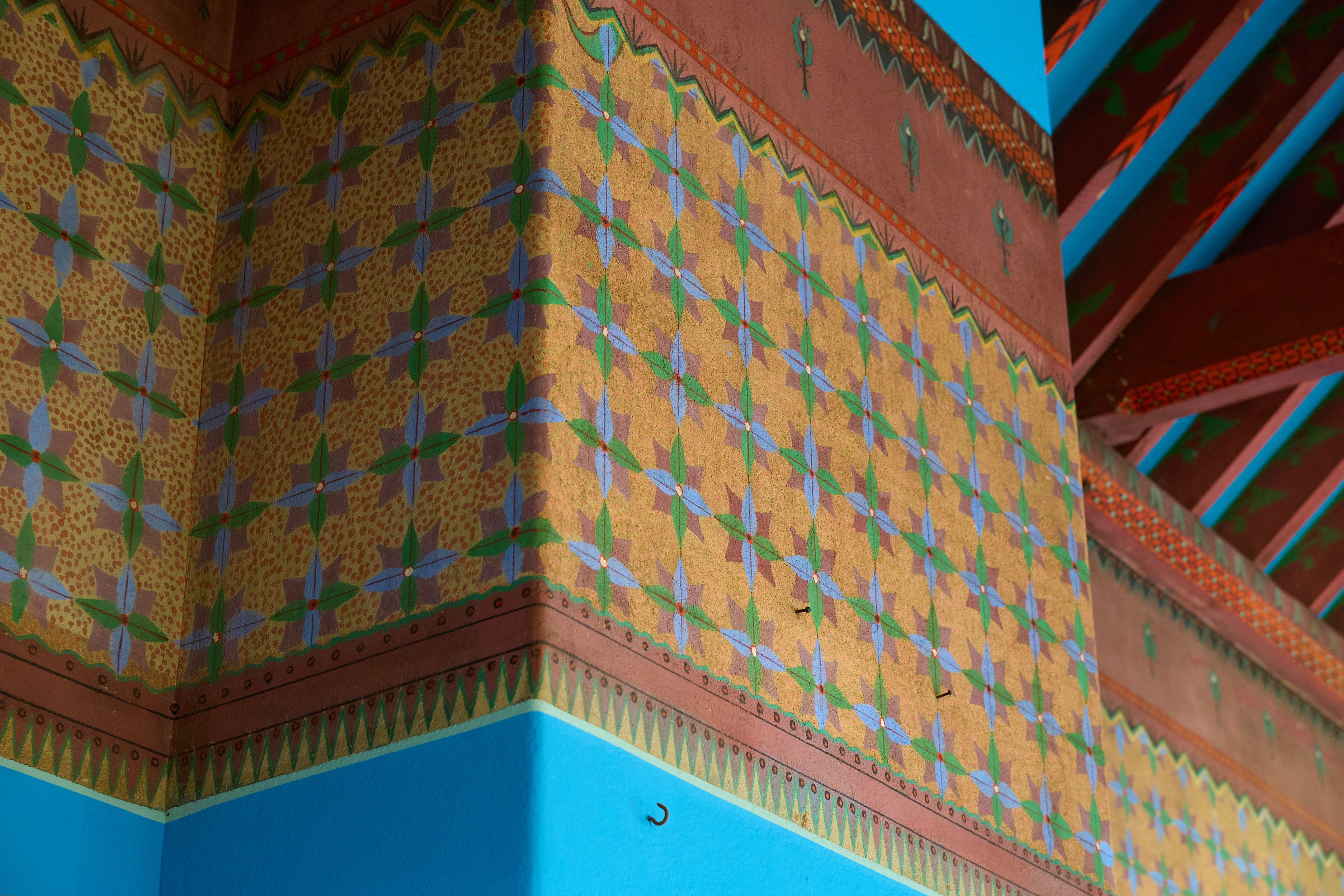
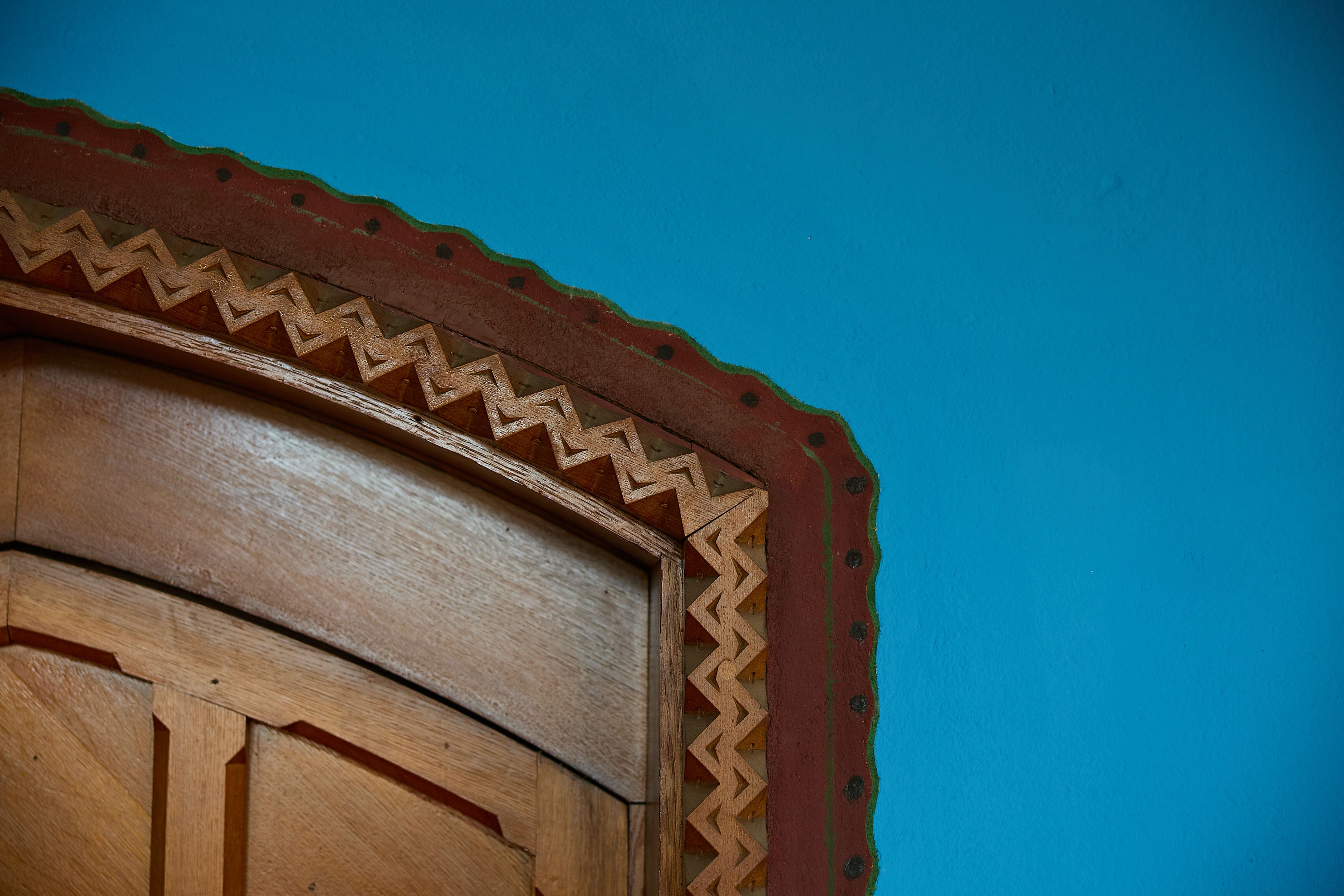
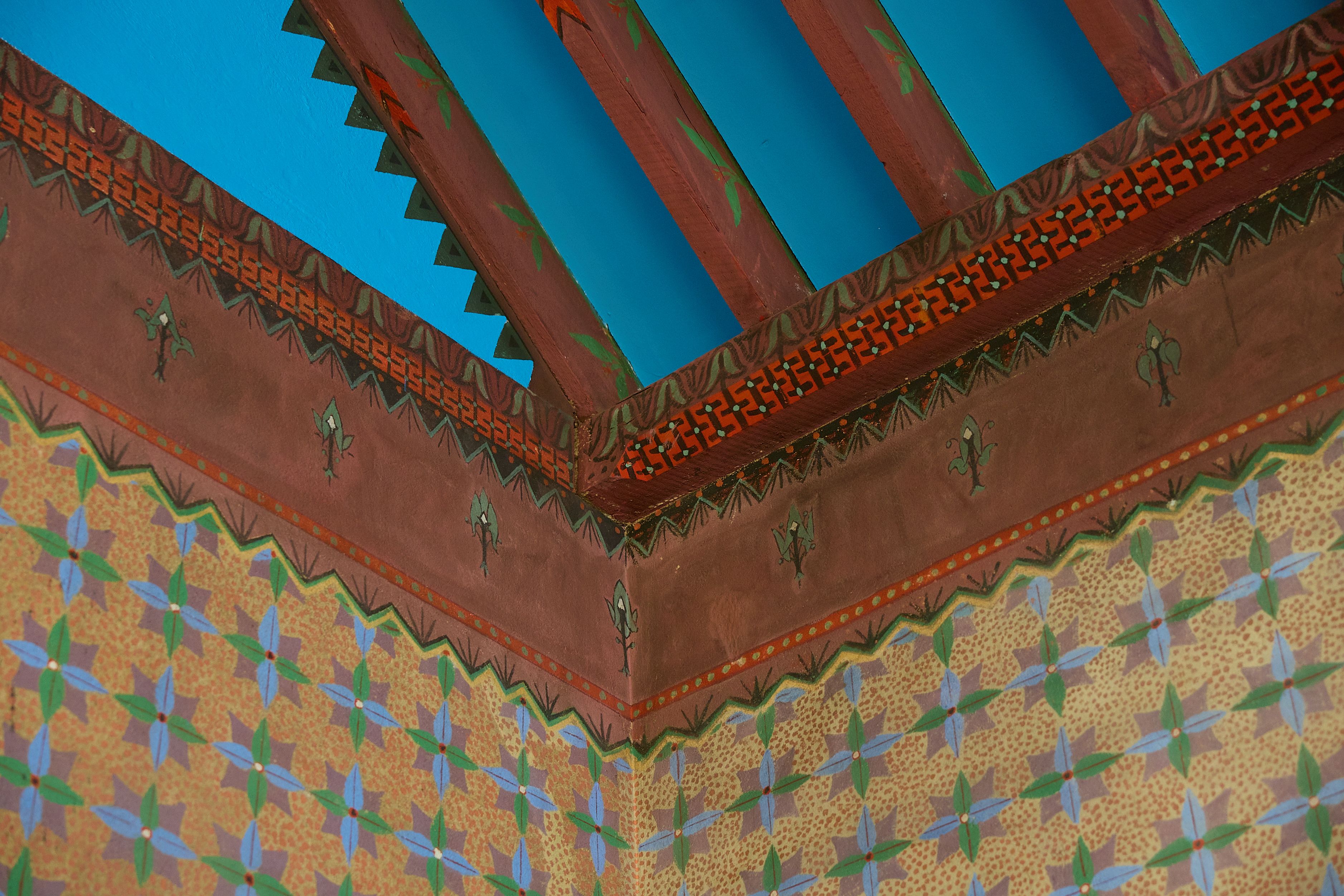
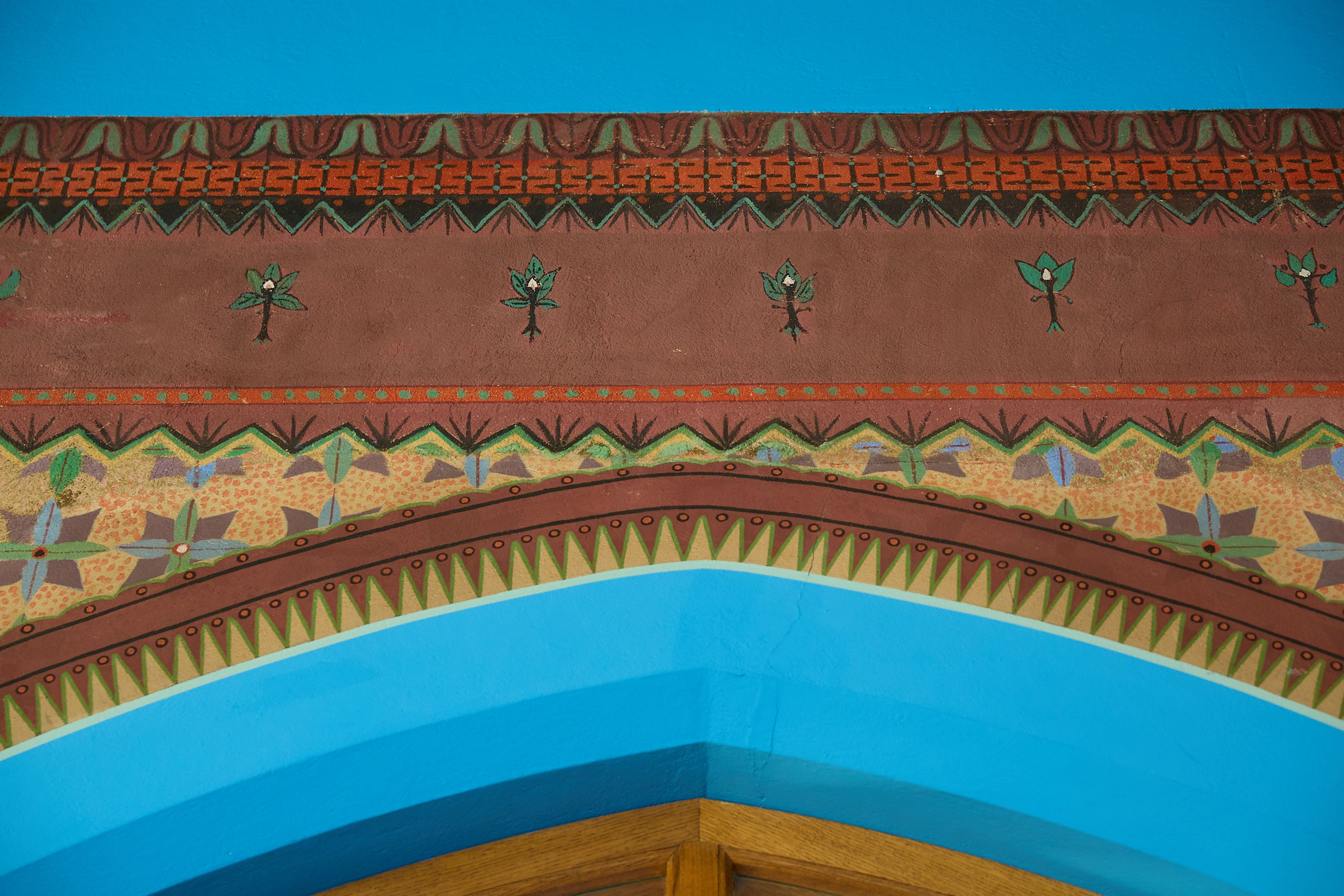
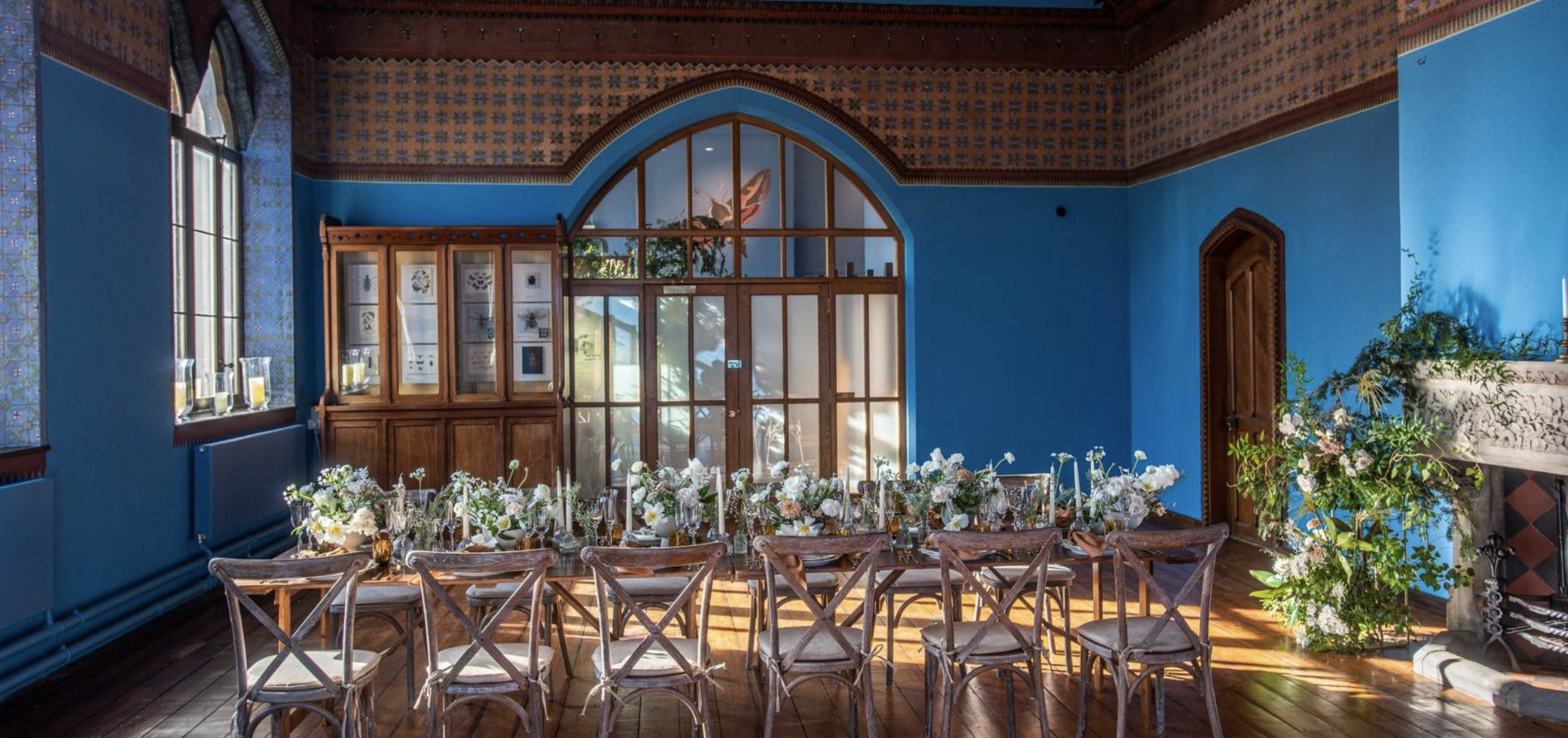
The Westwood Room's decoration is unique. The decorative painted scheme demonstrates a high level of variety and originality. The walls are a vivid blue with the upper third of the walls painted with continuous bands of repeating patterns. The walls by the windows are painted with a trellis effect with stylised flowerheads. Repeating patterns are painted around the doors to complement the carved geometric door surrounds.
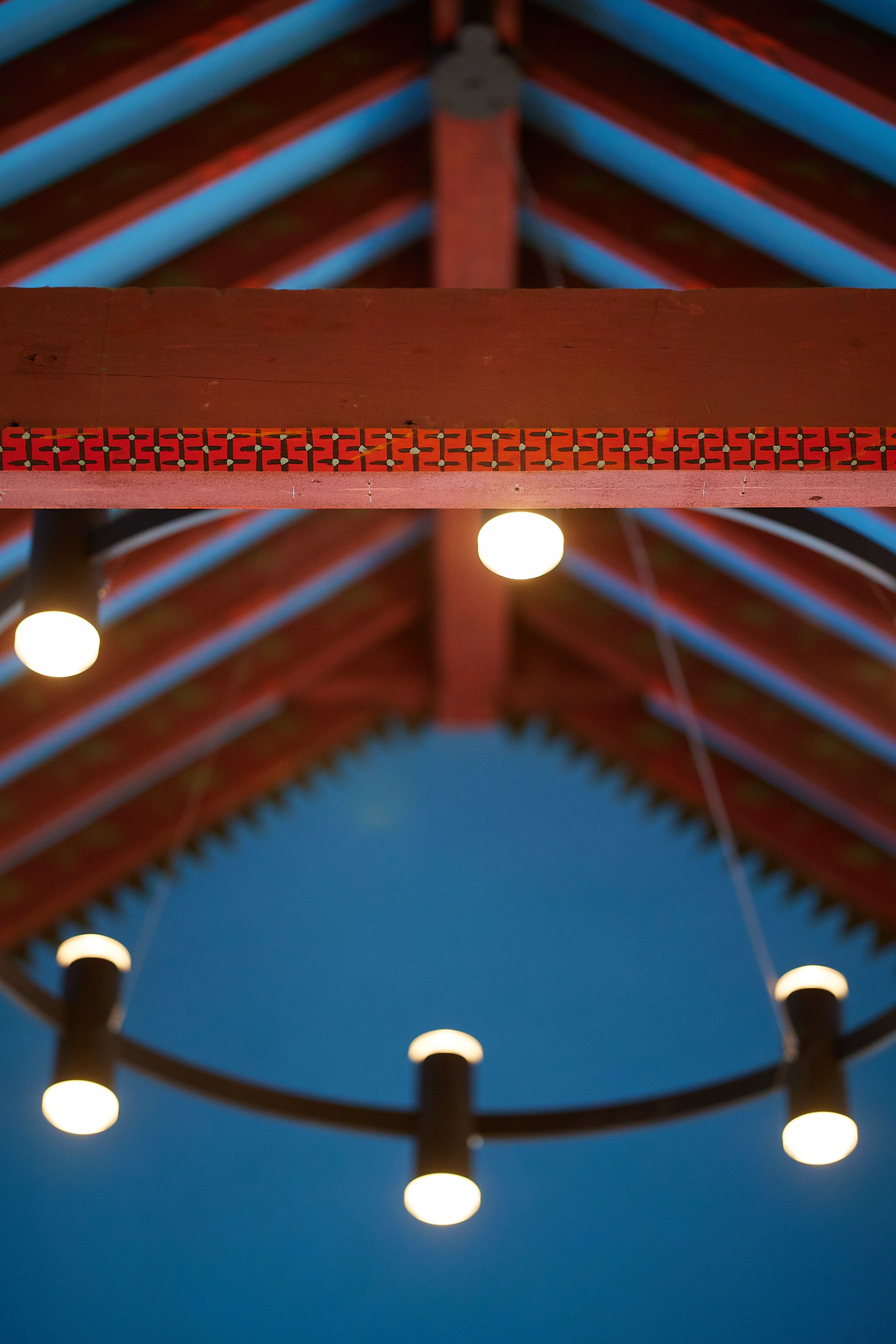
The room’s high ceiling is profusely decorated with geometric patterns in red, black and white and scrolling designs in red and green. These designs morph as they progress along the ceiling. At one end, they resemble stylised leaves and flower heads but, by the other end, they resemble animal tails hiding in the rafters.
This painted decoration was carried out by a 'Mr Swan'. The most likely candidate is an Irish painter, Joseph Swan (1831-1902), who was living in Oxford at the time.
Joseph Swan joined the collaborative effort led by William Morris and Edward Burne Jones to paint the ceiling of the Oxford Union (another building designed by the architect Benjamin Woodward) between 1857-58 and is recorded as asking Dante Gabriel Rossetti for painting lessons in June 1859.
The painted scheme in the Westwood Room was completed by November 1858.
A review in The Builder from June 1859 commended ‘the great life and variety’ shown by Swan’s decoration. In contrast, members of the Museum’s governing body were perturbed by the room’s strong colour scheme. Yet Swan’s design endures to this day.
With thanks to Dr. Stuart Eagles for tracing Joseph Swan’s involvement, see Stuart Eagles, Ruskin's Faithful Stewards: Henry and Emily Swan, Reading: Ruskin Research Blog, 2024, 38 & 39.




Fireplace
The fireplace in the Westwood Room is carved with insects and plants, reflecting the room's original use as a centre of entomological study for the University.
It was carved by Edward Whelan between August and September 1860. In total, he charged £6 for three weeks’ labour.

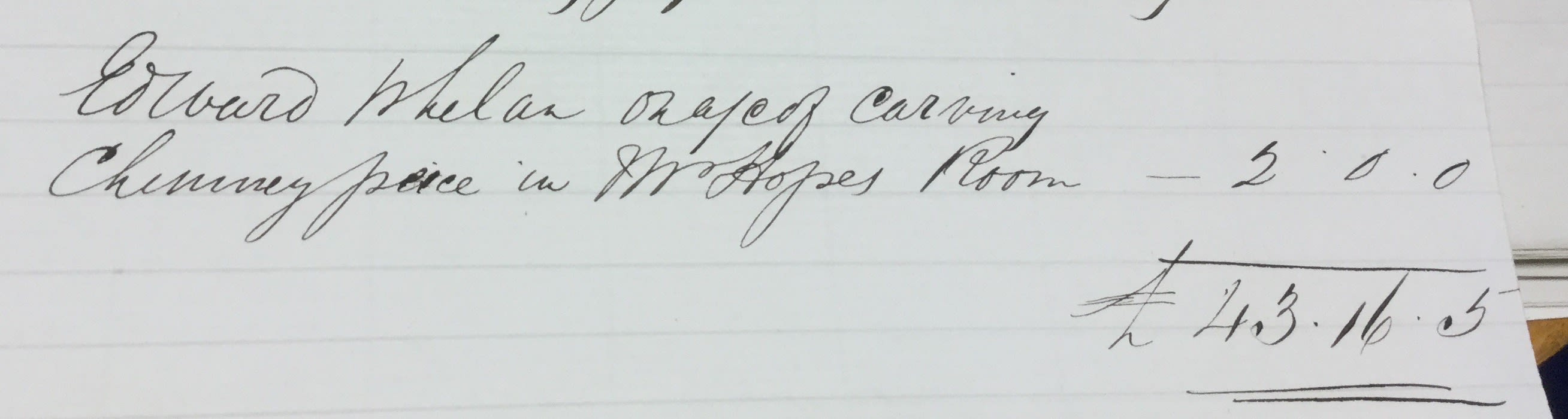
Invoice listing part of the cost of carving the fireplace, OUMNH archives
Invoice listing part of the cost of carving the fireplace, OUMNH archives
The carved decoration includes details of Stag Beetles and Death’s Head Hawkmoths.
The stag beetles are accurately portrayed in a habitat of Oak leaves.
And Whelan has depicted their full life cycle, starting with a larva
and progressing to a pupa,
before showing adult male and female beetles.
Likewise, the Death’s Head Hawkmoth starts with a caterpillar on potato leaves.
This is followed by the chrysalis,
and culminates in two adult moths.
And so, the fireplace itself provides an illustration of insects’ lifecycles and habitats.
Furnishings
Alongside Whelan’s carved fireplace and Swan’s painted scheme, originally the room was also furnished with bespoke furniture, portrait paintings and busts and decorative metalwork.
Furniture
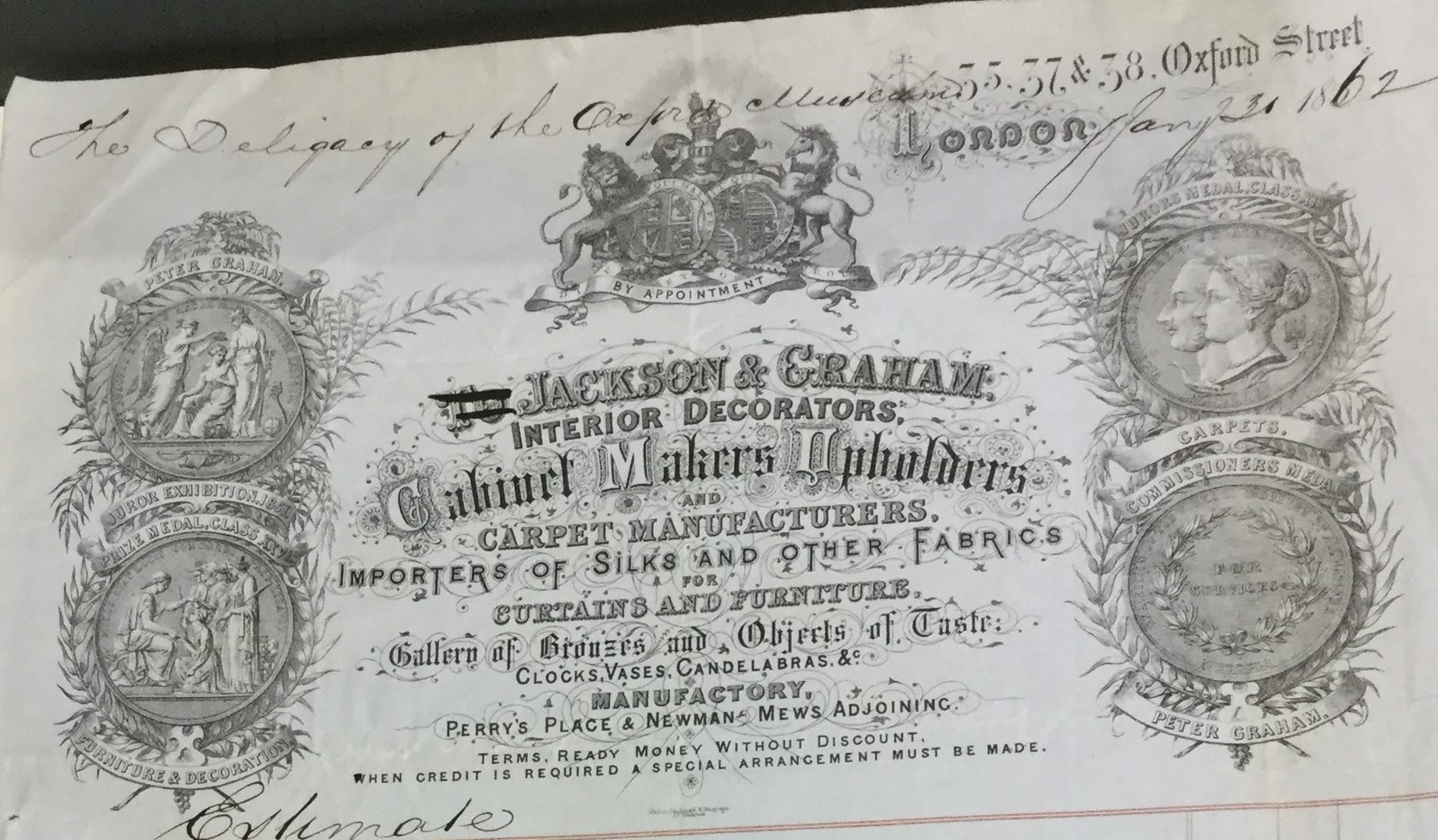
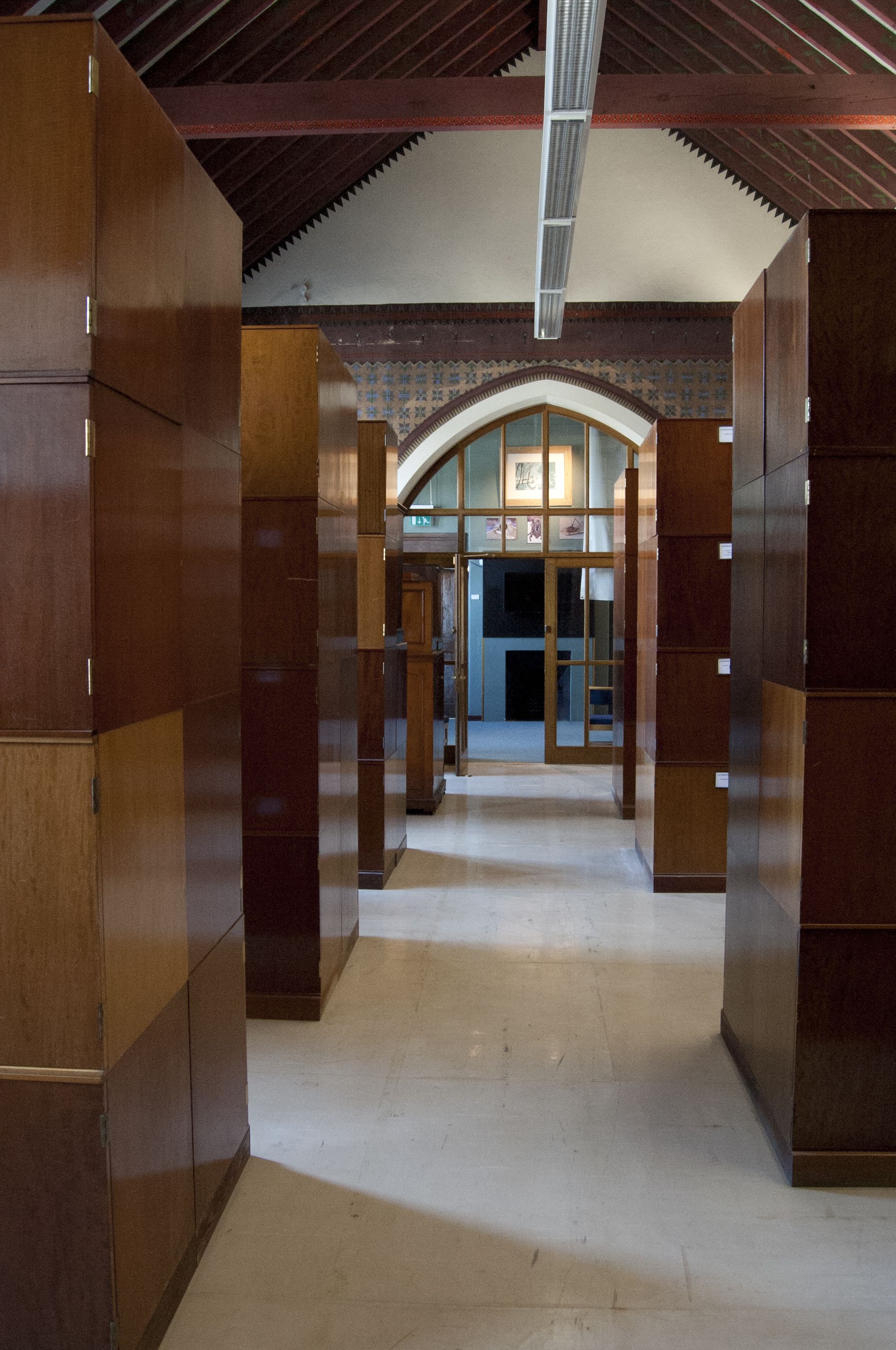
Bespoke cases by the high-end London cabinet makers, Jackson and Graham, were commissioned to store and display Hope's entomological collection.
Portraits
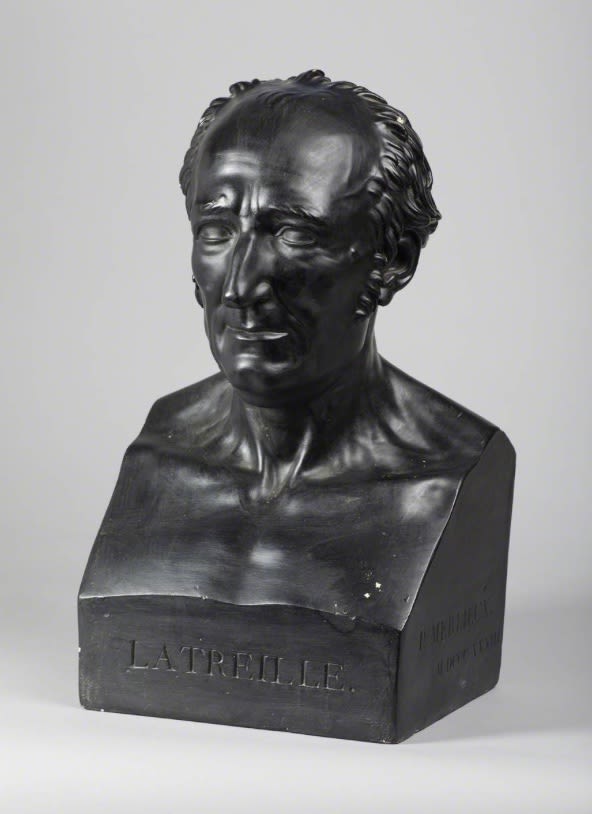
Paintings and busts of famous scientists were displayed in the room.
‘portraits of Linnaeus, Kirby, and Mr. Hope himself, together with busts of Linnaeus, Cuvier, Reaumur, Latreille, and Yarrell’
Metalwork
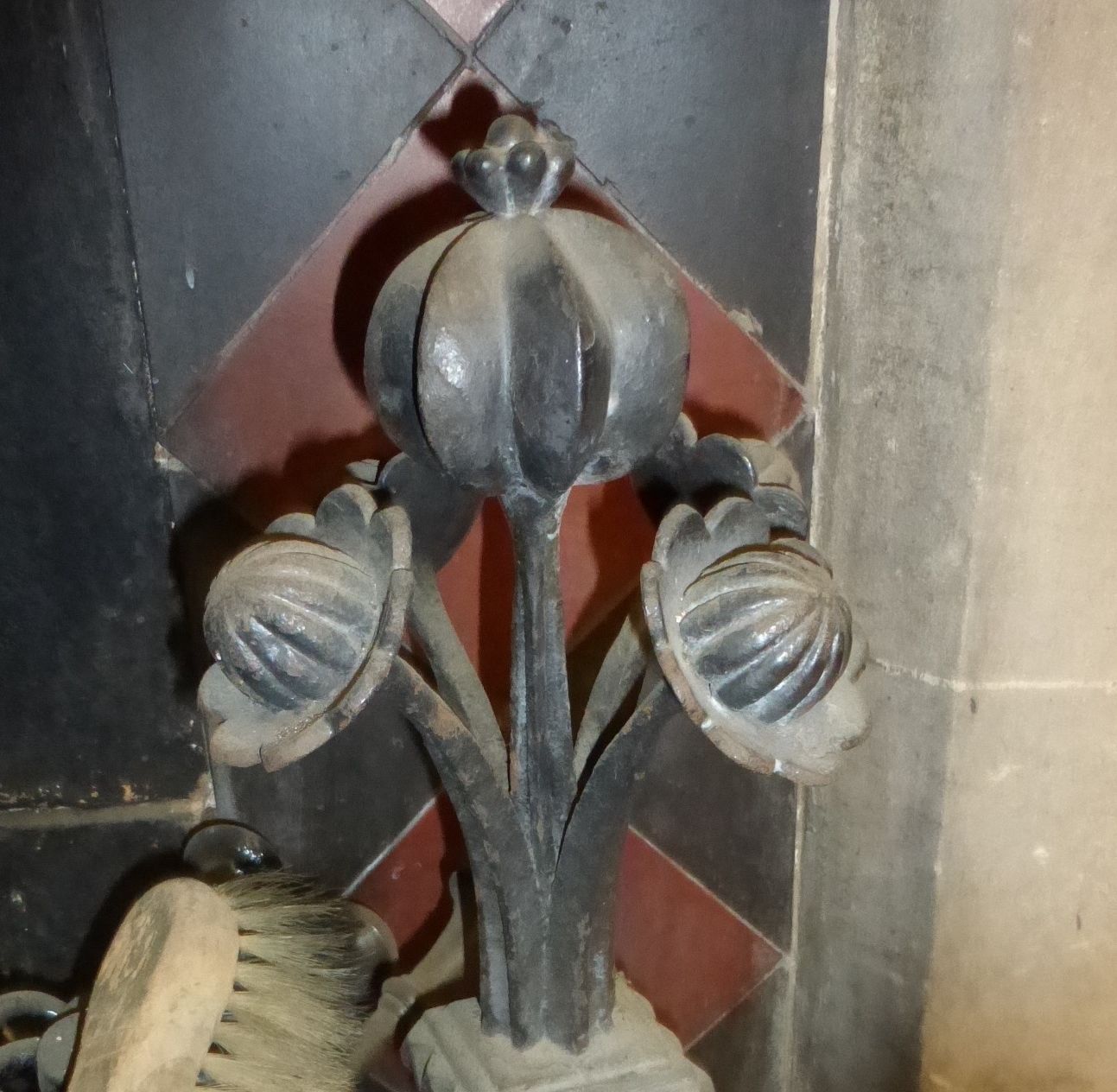
Even the details of the door locks, window hinges and fire irons reflect the Museum's Gothic Revival style.
HOPE for the Future
As part of the HOPE for the Future - Heritage, Outreach and Preservation of Entomology project (2019-2022), the Westwood Room underwent extensive renovation.
As part of this project around a million insect specimens were removed from the room before being restored, re-labelled and rehoused.
The redundant cabinets were removed and work began to conserve the decorative features of the room.
Later white paint was removed from the walls and the original vibrant blue reinstated. The painted friezes were cleaned, repaired and retouched and repairs made to the joinery and floor.
In doing so, the original, historic decorative scheme can now be fully appreciated and the Museum benefits from a unique, multi-purpose space.


 Built with Shorthand